Photo: Academy of Civil Aviation
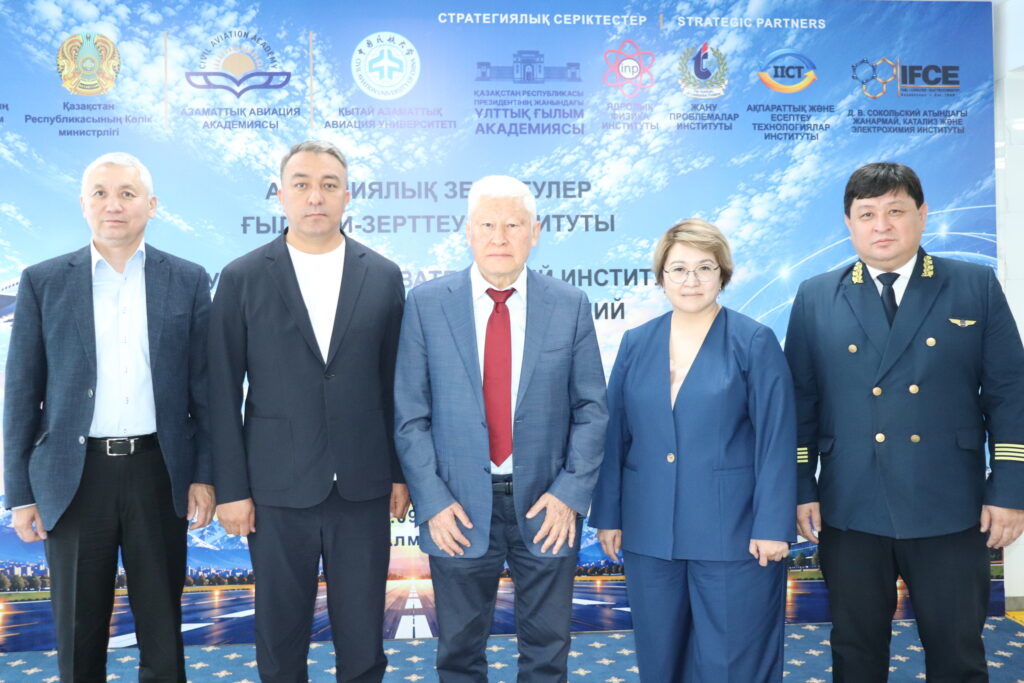
The Aviation Research Institute has been opened at the Academy of Civil Aviation in Almaty. The new institute is aimed at addressing current challenges in civil aviation through scientific research and introducing new technologies into the industry.
The institute was established with the support of the Ministry of Science and Higher Education and the Ministry of Transport of Kazakhstan. Its main objective is to bring together the capabilities of domestic scientific schools, laboratories and the aviation industry to conduct applied research.
The institute’s research agenda includes artificial intelligence, machine learning, Big Data, digital twins, unmanned and autonomous aviation systems, aviation materials, safety, human factors, as well as sustainable aviation fuel (SAF).
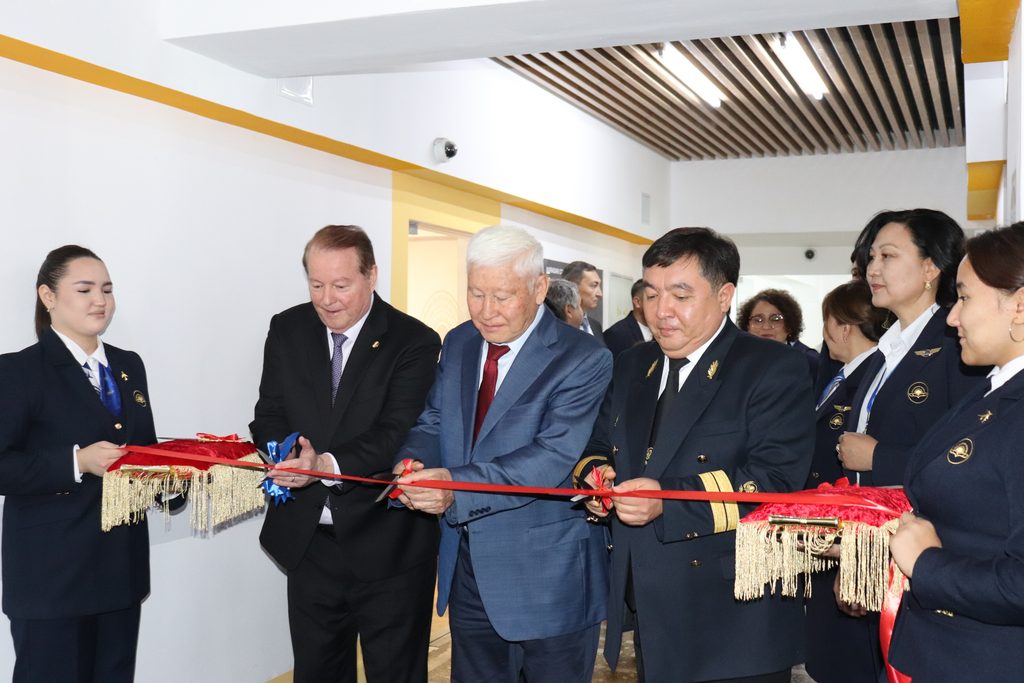
Vice President of the National Academy of Sciences Askar Dzhumadilayev emphasized the importance of linking fundamental science with the practical needs of the aviation industry.
“Our mission is to connect national fundamental science with the applied needs of the industry,” Askar Dzhumadilayev said.
The Academy plans to implement joint projects with specialized research organizations in Kazakhstan. In particular, research with the Institute of Information and Computational Technologies will focus on artificial intelligence and aviation data analysis; cooperation with the Institute of Nuclear Physics will cover aviation materials and structural diagnostics; while the Institute of Combustion Problems and D.V. Sokolsky Institute of Fuel, Catalysis and Electrochemistry will focus on aviation fuel and SAF research.
As part of international cooperation, the Academy of Civil Aviation of Kazakhstan and the Civil Aviation University of China (CAUC) have launched a joint research laboratory titled “Civil Aviation Safety and Intelligent Technologies.” The agreement to establish the laboratory was signed on July 16, 2026, in Shanghai during the working visit of the President of Kazakhstan to China.
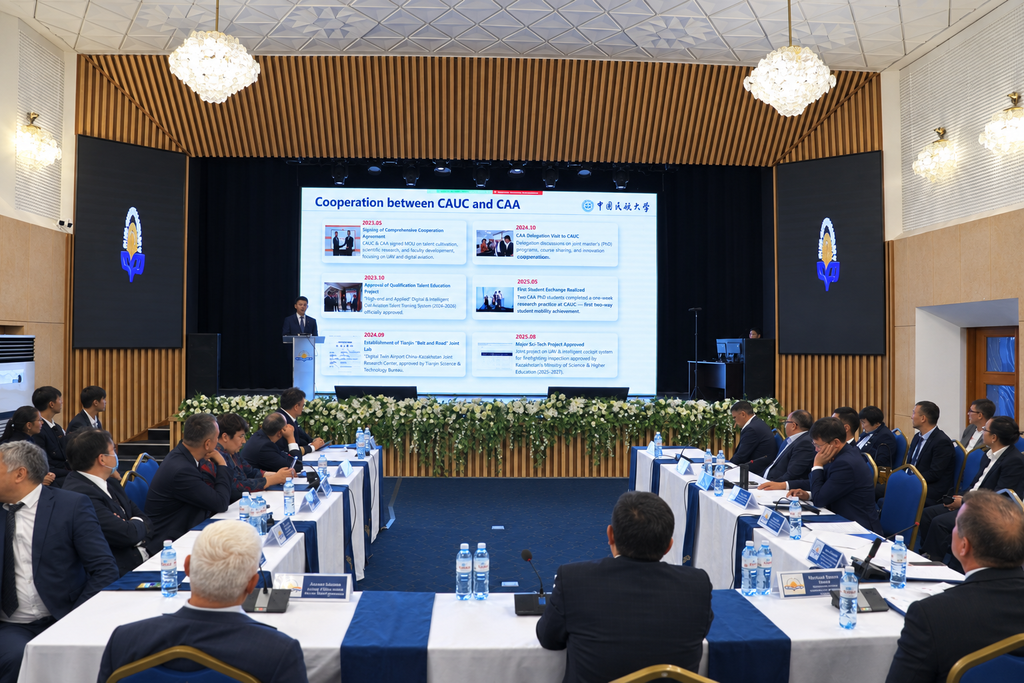
The laboratory will serve as a platform for joint research, international scientific and technological projects, and the involvement of faculty members, researchers, master’s and doctoral students in scientific work.
According to Daulyet Mamekov, Rector of the Academy of Civil Aviation, the institute’s activities should focus on specific projects.
“We need effective scientific cooperation. Once the agreement is signed, the main work should begin: identifying specific tasks, forming research teams and preparing the first joint projects,” the rector said.
The new institute will assess its performance not only through scientific publications and patents, but also by the practical impact of research on the safety, efficiency and technological development of civil aviation.